
In the fast-paced world of business, reading skills are not just an ancillary asset; they are a cornerstone of effective executive training. As an executive, your ability to comprehend complex documents, analyze reports, and synthesize information from various sources is crucial for making informed decisions. Reading is the gateway to knowledge, and in a leadership role, the breadth and depth of your understanding can significantly influence your organization’s direction.
The ability to read critically and efficiently allows you to navigate through vast amounts of information, enabling you to identify trends, assess risks, and seize opportunities that may otherwise go unnoticed. Moreover, strong reading skills foster better communication within your team and with stakeholders. When you can articulate your thoughts clearly and back them up with well-researched data, you inspire confidence and trust among your colleagues.
This is particularly important in executive roles where the stakes are high, and decisions can have far-reaching consequences. By honing your reading skills, you not only enhance your own capabilities but also set a standard for your team, encouraging a culture of continuous learning and intellectual curiosity.
Key Takeaways
- Reading skills are crucial for executive training as they enhance critical thinking and decision-making abilities.
- Executives with strong reading skills are more likely to achieve professional success and effectively lead their teams.
- Challenges in developing reading skills for executives include time constraints and difficulty in maintaining focus.
- Executive training programs play a vital role in improving reading skills through tailored curriculum and support.
- Strategies for enhancing reading comprehension and speed include active reading techniques and regular practice.
Understanding the Impact of Reading Skills on Professional Success
Your reading skills directly correlate with your professional success. In an era where information is abundant and often overwhelming, the ability to discern what is relevant and valuable is paramount. Executives who excel in reading comprehension can quickly grasp essential concepts and apply them to their strategic planning.
This skill enables you to stay ahead of industry trends and adapt to changes in the market landscape, ensuring that your organization remains competitive. Furthermore, effective reading skills contribute to better problem-solving abilities. When you can analyze case studies, research papers, or industry reports with ease, you are better equipped to tackle challenges that arise in your role.
The insights gained from reading can lead to innovative solutions and informed decision-making. As you cultivate these skills, you will find that your confidence in addressing complex issues grows, ultimately enhancing your leadership effectiveness.
Identifying the Challenges Faced by Executives in Developing Reading Skills
Despite the clear benefits of strong reading skills, many executives encounter challenges in their development. One significant hurdle is time management. With a packed schedule filled with meetings, presentations, and strategic planning sessions, finding time to read can feel like an insurmountable task.
This often leads to a reliance on summaries or second-hand information, which can dilute the depth of understanding necessary for effective leadership. Additionally, the sheer volume of information available today can be daunting. Executives may struggle with information overload, making it difficult to prioritize what to read and how to extract meaningful insights from it.
This challenge is compounded by the fact that not all sources are credible or relevant. As an executive, you must develop the discernment to filter through the noise and focus on materials that will genuinely enhance your knowledge and skills.
The Role of Executive Training Programs in Improving Reading Skills
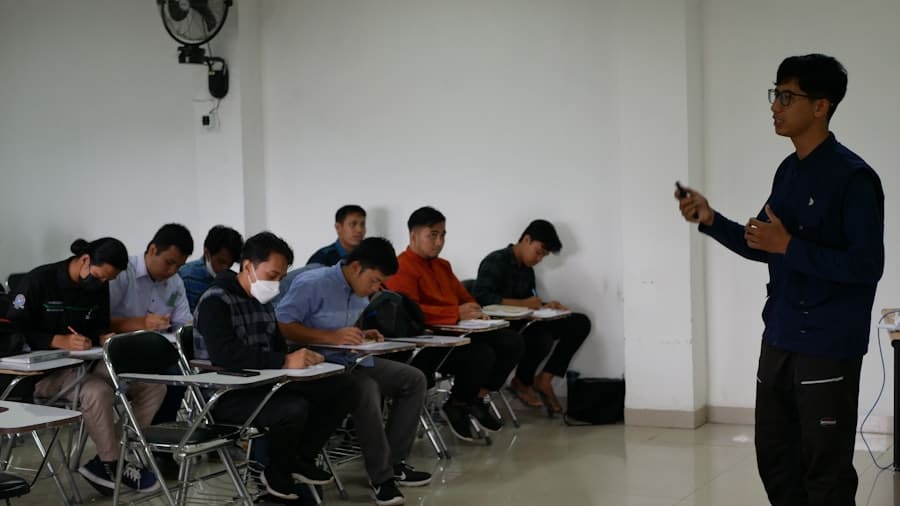
Executive training programs play a pivotal role in enhancing reading skills among leaders. These programs are designed not only to impart knowledge but also to equip you with the tools necessary for effective reading and comprehension. By participating in structured training sessions, you can learn techniques for improving both speed and understanding, allowing you to process information more efficiently.
Moreover, these programs often provide a supportive environment where you can practice your reading skills alongside peers facing similar challenges. Engaging in discussions about readings fosters a deeper understanding and encourages diverse perspectives. This collaborative approach not only enhances your reading abilities but also strengthens your network of fellow executives who can offer insights and support as you continue to develop your skills.
Strategies for Enhancing Reading Comprehension and Speed
To improve your reading comprehension and speed, consider implementing specific strategies tailored to your needs as an executive. One effective method is skimming and scanning techniques. Skimming allows you to get a general idea of the content without delving into every detail, while scanning helps you locate specific information quickly.
By mastering these techniques, you can save time while still extracting valuable insights from texts. Another strategy involves active reading practices such as note-taking or summarizing key points as you read. This not only reinforces your understanding but also helps retain information for future reference.
Additionally, setting aside dedicated time for reading each day can create a habit that enhances both speed and comprehension over time. By prioritizing reading in your daily routine, you signal its importance to yourself and others around you.
Incorporating Reading Skills into Leadership Development

Integrating reading skills into leadership development is essential for fostering a culture of continuous improvement within your organization. As an executive, you can lead by example by prioritizing reading as a key component of professional growth. Encourage your team members to engage with relevant literature by organizing book clubs or discussion groups focused on industry-related texts.
Furthermore, consider incorporating reading assignments into training programs or performance evaluations. By holding yourself and your team accountable for engaging with new materials, you create an environment where learning is valued and encouraged. This not only enhances individual capabilities but also strengthens team cohesion as members share insights and perspectives gained from their readings.
Utilizing Technology to Improve Reading Skills in the Digital Age
In today’s digital age, technology offers numerous tools that can enhance your reading skills. E-readers and apps designed for reading can help streamline the process by allowing you to highlight text, take notes, and access a vast library of resources at your fingertips. These tools often come equipped with features that promote active engagement with the material, such as built-in dictionaries or summarization tools.
Additionally, online courses focused on reading comprehension and speed can provide valuable training tailored to your specific needs as an executive. Many platforms offer flexible learning options that fit into your busy schedule, allowing you to develop your skills at your own pace. By leveraging technology effectively, you can transform the way you approach reading and make it a more integral part of your professional development.
The Connection Between Critical Thinking and Effective Reading
Critical thinking is intrinsically linked to effective reading skills. As an executive, being able to analyze and evaluate information critically is essential for making sound decisions. When you read with a critical eye, you are not merely absorbing information; you are questioning its validity, considering alternative viewpoints, and assessing its relevance to your context.
This analytical approach enhances your ability to synthesize information from various sources and draw informed conclusions. By developing both your reading skills and critical thinking abilities simultaneously, you position yourself as a more effective leader capable of navigating complex challenges with confidence.
Overcoming Barriers to Reading Improvement in the Workplace
To foster a culture of reading improvement within the workplace, it is essential to identify and address barriers that may hinder progress. One common obstacle is a lack of time or resources dedicated to reading initiatives. As an executive, advocating for dedicated time during work hours for reading or providing access to relevant materials can help alleviate this issue.
Additionally, creating an environment that values continuous learning is crucial. Encourage open discussions about readings and share insights gained from various sources within your team. By normalizing conversations around literature and knowledge acquisition, you can inspire others to prioritize their own reading development.
Evaluating the Effectiveness of Executive Training Programs for Reading Skills
To ensure that executive training programs effectively enhance reading skills, it is vital to establish clear evaluation criteria. Consider assessing participants’ progress through pre- and post-training assessments that measure improvements in reading speed and comprehension levels. Gathering feedback from participants about their experiences can also provide valuable insights into the program’s effectiveness.
Moreover, tracking long-term outcomes such as changes in decision-making quality or overall performance can help gauge the impact of improved reading skills on professional success. By continuously evaluating these programs, you can refine them over time to better meet the needs of executives seeking to enhance their reading capabilities.
Implementing a Reading Skills Development Plan for Executives in Frisco, TX
In Frisco, TX, implementing a comprehensive reading skills development plan for executives can significantly enhance leadership effectiveness across various industries. Start by conducting an assessment of current reading abilities among executives within organizations in the area. This baseline data will help tailor training programs that address specific needs.
Next, collaborate with local educational institutions or training providers to design workshops focused on improving reading comprehension and speed tailored specifically for executives. Incorporate technology-driven solutions such as online courses or e-learning platforms that allow flexibility in learning schedules. Finally, establish a community of practice among executives in Frisco where they can share insights from their readings and discuss how these insights apply to their roles.
By fostering a culture of continuous learning through structured initiatives focused on enhancing reading skills, executives in Frisco will be better equipped to lead their organizations toward success in an increasingly complex business landscape.
FAQs
What is an executive training program for reading skills in Frisco, TX?
An executive training program for reading skills in Frisco, TX is a specialized program designed to improve the reading and comprehension abilities of professionals in leadership positions.
What are the benefits of participating in an executive training program for reading skills?
Participating in an executive training program for reading skills can help professionals improve their ability to process and understand complex information, make better decisions, and communicate more effectively.
Who can benefit from an executive training program for reading skills?
Professionals in leadership positions, such as executives, managers, and business owners, can benefit from an executive training program for reading skills. Additionally, anyone looking to improve their reading and comprehension abilities can also benefit from such a program.
What are some common topics covered in an executive training program for reading skills?
Common topics covered in an executive training program for reading skills may include speed reading techniques, critical thinking strategies, effective note-taking, and improving reading comprehension.
How long does an executive training program for reading skills typically last?
The duration of an executive training program for reading skills can vary, but it may range from a few days to several weeks, depending on the specific program and the depth of the content covered.
Are there any prerequisites for enrolling in an executive training program for reading skills?
Prerequisites for enrolling in an executive training program for reading skills may vary depending on the program provider. Some programs may require a certain level of education or professional experience, while others may be open to individuals of all backgrounds.


