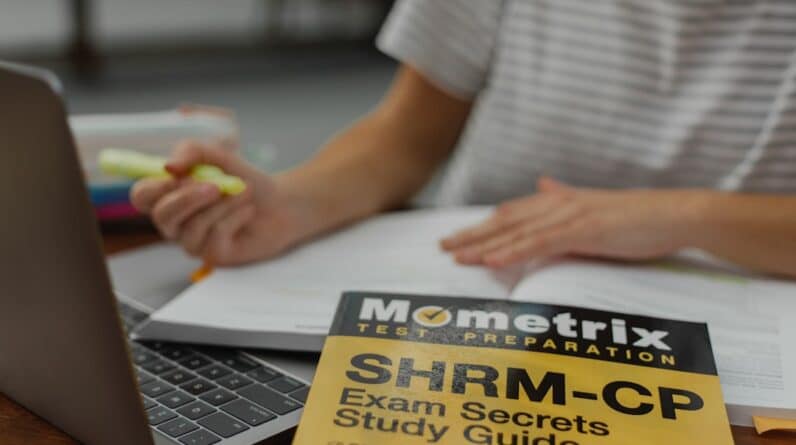
You’re looking for effective strategies to improve your academic performance, and the Study Skills Program at Cooley Station in Gilbert is designed to provide you with those tools. This program isn’t about magic fixes or shortcuts; it’s about equipping you with the knowledge and techniques to approach your studies more strategically and efficiently. Whether you’re struggling to keep up with coursework, feeling overwhelmed by assignments, or simply aiming to optimize your learning process, the program offers a structured environment to develop these crucial skills. Understanding how you learn best, managing your time effectively, and tackling complex material are all core components that contribute to academic success, and this program aims to address each of them.
To truly benefit from any academic endeavor, you first need to understand how you learn. This isn’t a one-size-fits-all approach. The Study Skills Program at Cooley Station emphasizes self-awareness as a foundational element. You’ll be guided to identify your primary learning styles, which can significantly impact the effectiveness of your study methods.
Visual Learners
If you find yourself easily remembering information when it’s presented in a visual format, you might be a visual learner. This means you benefit from seeing information.
Utilizing Diagrams and Charts
The program will encourage you to incorporate diagrams, flowcharts, mind maps, and other visual aids into your note-taking and review processes. Instead of just listening to a lecture, you’ll learn to translate the key concepts into a visual representation that makes sense to you. This could involve drawing connections between ideas, illustrating processes, or creating timelines.
The Power of Color-Coding
Color-coding can be an incredibly powerful tool for visual learners. You’ll discover how to use different colors to highlight key terms, categorize information, or differentiate between main ideas and supporting details in your notes or textbooks. This visual organization can make reviewing material much more intuitive and less daunting.
Flashcards and Visual Cues
Flashcards, especially those with images or diagrams, can be highly effective. The program might suggest creating your own flashcards, not just with text, but with relevant visuals that help trigger your memory. This active creation process itself can be a learning experience.
Auditory Learners
Auditory learners absorb information best through listening and speaking. If you find yourself remembering things you’ve heard, or if explaining concepts aloud helps you understand them, you likely fall into this category.
Active Listening and Note-Taking
The program will guide you on how to engage more actively during lectures. This isn’t just about writing down everything said, but about listening for keywords, identifying the speaker’s tone, and noting important pauses or emphasis. You’ll learn to summarize information in your own words as you listen, which aids retention.
The Benefit of Reading Aloud
Reading your notes or textbook passages aloud can be a simple yet effective strategy. The act of speaking engages a different part of your brain and can help solidify information. The program might suggest this as a regular part of your review routine.
Group Discussions and Explanations
Participating in study groups can be invaluable for auditory learners. You’ll be encouraged to explain concepts to others, which reinforces your own understanding. Conversely, listening to others explain things can also provide new perspectives and clarify any confusion you might have.
Kinesthetic Learners
Kinesthetic learners learn best by doing and through physical activity. If you tend to fidget while studying or find it helpful to move around, you might be a kinesthetic learner.
Incorporating Movement into Study
The program will likely suggest ways to integrate movement into your study habits. This could involve studying in different locations, using a standing desk, or taking short breaks to walk around. Even small physical actions can help maintain focus for kinesthetic learners.
Hands-On Activities and Demonstrations
For subjects that lend themselves to it, the program will encourage hands-on activities. This could mean conducting experiments (even simple ones at home), building models, or using manipulatives to understand abstract concepts. The more you can physically interact with the material, the better.
Role-Playing and Practicing
Role-playing scenarios or practicing skills in a hands-on manner can be highly beneficial. This might involve rehearsing presentations, practicing problem-solving steps, or simulating real-world applications of what you’re learning.
The Importance of Mixed Modalities
It’s important to note that most people don’t fit neatly into a single category. The program recognizes this and often advocates for the use of mixed modalities. You’ll learn to identify which approaches work best for you in different contexts and for different subjects. This flexibility is key to adapting to various academic demands.
Effective Time Management and Organization
Academic success often hinges on your ability to manage your time effectively and stay organized. The Study Skills Program at Cooley Station addresses this by providing practical strategies to avoid procrastination and maintain control over your workload.
Creating a Study Schedule
A well-structured schedule is more than just a list of tasks; it’s a roadmap for your academic journey.
Breaking Down Large Tasks
You’ll learn to dissect large assignments or study periods into smaller, manageable chunks. This prevents feeling overwhelmed and makes it easier to start. Instead of “study for exam,” you’ll break it down into “review chapter 1 notes,” “complete practice problems for chapter 2,” and so on.
Allocating Realistic Time Blocks
The program emphasizes the importance of realistically estimating how long tasks will take. This involves factoring in potential distractions, the complexity of the material, and your own energy levels. Overestimating is often better than underestimating.
Incorporating Regular Breaks
Consistent breaks are crucial for preventing burnout and maintaining focus. You’ll learn to schedule short, regular breaks into your study sessions to refresh your mind and prevent fatigue. This strategic downtime can actually lead to more productive study periods.
Prioritization Techniques
Not all tasks are created equal. Learning to prioritize is essential for ensuring that your most important work gets done.
The Eisenhower Matrix
You might be introduced to frameworks like the Eisenhower Matrix, which helps you categorize tasks based on urgency and importance. This allows you to identify what needs immediate attention, what can be scheduled, what can be delegated (if applicable), and what can be eliminated.
Identifying Key Deadlines
The program will help you develop systems for tracking all your assignment deadlines, project due dates, and exam schedules. This might involve using a planner, digital calendar, or a dedicated task management app.
Understanding Task Dependencies
For larger projects, you’ll learn to identify tasks that must be completed before others. This sequencing is vital for efficient project management and prevents last-minute scrambles.
Organizational Systems
A cluttered workspace or chaotic digital life can hinder your productivity. The program offers strategies for creating and maintaining organized systems.
Desk and Study Space Organization
You’ll receive guidance on how to set up an effective study space that minimizes distractions and has all your essential materials readily accessible. This includes decluttering physical and digital spaces.
Digital File Management
In today’s academic landscape, effective digital organization is as important as physical organization. You’ll learn strategies for organizing your computer files, cloud storage, and digital notes to easily retrieve information when you need it.
Note-Taking System Selection
The program might explore various note-taking systems, from linear notes to the Cornell method or hybrid approaches. You’ll be encouraged to experiment and find a system that aligns with your learning style and the demands of your courses.
Efficient Reading and Note-Taking Strategies
Making the most of your reading materials and lecture notes is fundamental to learning. The Study Skills Program at Cooley Station provides practical techniques to enhance comprehension and retention.
Active Reading Techniques
Simply reading words on a page isn’t always enough. Active reading involves engaging with the text on a deeper level.
Previewing and Skimming
Before diving into a chapter, you’ll learn how to preview it by looking at headings, subheadings, introductions, conclusions, and summaries. Skimming allows you to get a general overview of the content and identify the main themes.
Questioning the Text
The program encourages you to ask questions as you read. What is the main argument? What evidence supports this claim? What are the implications of this information? This active inquiry drives comprehension.
Highlighting and Annotating Effectively
You’ll be taught effective methods for highlighting and annotating. Instead of highlighting entire paragraphs, you’ll learn to identify and mark key phrases, definitions, and thesis statements. Marginal notes can include summaries, questions, or connections to other concepts.
Effective Note-Taking Methods
The way you take notes directly impacts how well you recall and understand the information.
The Cornell Note-Taking System
This structured system divides your page into three sections: a main note-taking area, a cue column, and a summary section. You’ll learn how to use each section effectively for note-taking during lectures and reviewing afterwards.
Creating Outlines and Mind Maps
As mentioned earlier, outlines and mind maps are powerful tools for visually organizing information. You’ll learn how to construct these from lectures or readings to see the relationships between different ideas.
Summarizing and Synthesizing
The program emphasizes the importance of summarizing notes in your own words. This process of synthesis forces you to process and consolidate the information, rather than just passively copying it.
Review and Revision Strategies
Note-taking is only half the battle; effective review is crucial for long-term retention.
Spaced Repetition
You’ll discover the power of spaced repetition – reviewing material at increasing intervals. This combats the forgetting curve and helps move information from short-term to long-term memory.
Practice Questions and Self-Testing
The program will guide you on how to create your own practice questions or utilize existing ones from your textbooks. Regularly testing yourself is one of the most effective ways to identify areas where you need further review.
Concept Mapping for Deeper Understanding
Concept maps allow you to explore the relationships between various concepts. You can create these by connecting key terms with linking phrases, visually representing the interconnectedness of your knowledge.
Developing Critical Thinking and Problem-Solving Skills
Academics isn’t just about memorization; it’s about understanding, analyzing, and applying knowledge. The Study Skills Program at Cooley Station focuses on honing your critical thinking and problem-solving abilities.
Analyzing Information Critically
Critical thinking involves evaluating information objectively and making reasoned judgments.
Identifying Bias and Assumptions
You’ll learn to recognize potential biases in sources and identify underlying assumptions that may influence the information presented. This includes understanding the author’s agenda and perspective.
Evaluating Evidence and Sources
The program will guide you on how to assess the credibility of evidence. Is it reliable? Is it relevant? Are the sources authoritative? This involves looking at the methodology, reputation of the source, and potential conflicts of interest.
Differentiating Fact from Opinion
You’ll practice distinguishing between verifiable facts and subjective opinions, understanding the nuances and implications of each. This skill is vital for forming well-informed conclusions.
Effective Problem-Solving Approaches
Whether it’s a math problem or a complex essay prompt, systematic approaches can lead to better solutions.
Defining the Problem Clearly
The first step in solving any problem is to clearly understand what the problem is. You’ll learn techniques for precisely defining the scope and nature of the issue at hand.
Brainstorming and Generating Solutions
The program might introduce brainstorming techniques to generate a variety of potential solutions. The goal is to encourage creative thinking and explore multiple avenues before settling on one.
Evaluating and Selecting Solutions
Once you have a range of potential solutions, you’ll learn how to evaluate their feasibility, effectiveness, and potential drawbacks. This systematic evaluation helps you choose the most appropriate course of action.
Implementing and Monitoring Solutions
The process doesn’t end with selecting a solution. You’ll learn the importance of implementing the chosen solution and monitoring its effectiveness to make adjustments as needed.
Applying Concepts to New Situations
True understanding comes from applying learned concepts to unfamiliar scenarios.
Transfer of Knowledge
You’ll explore strategies for transferring knowledge and skills learned in one context to another. This might involve identifying underlying principles that apply across different subjects or problems.
Case Study Analysis
The program may utilize case studies as a tool for practicing critical thinking and problem-solving. Analyzing real-world scenarios allows you to apply theoretical knowledge in a practical setting.
Hypothetical Scenarios
You might also engage with hypothetical scenarios that require you to think critically and devise solutions based on the principles you’ve learned. This encourages adaptability and foresight.
Strategies for Overcoming Academic Challenges
| Metrics | 2019 | 2020 | 2021 |
|---|---|---|---|
| Number of Participants | 150 | 175 | 200 |
| Retention Rate | 85% | 90% | 92% |
| Graduation Rate | 80% | 85% | 88% |
| Employment Rate | 75% | 78% | 80% |
Every student faces hurdles at some point in their academic journey. The Study Skills Program at Cooley Station aims to equip you with the resilience and strategies to navigate these challenges effectively.
Managing Test Anxiety
Feeling nervous before a test is common, but severe anxiety can impede performance.
Preparation and Practice as Prevention
A cornerstone of managing test anxiety is thorough preparation. You’ll learn that consistent study and practice can build confidence and reduce the fear of the unknown.
Relaxation Techniques
The program may introduce simple relaxation techniques, such as deep breathing exercises or mindfulness practices, that you can employ before and during exams to help calm your nerves.
Positive Self-Talk
You’ll be encouraged to replace negative self-talk with positive affirmations. This involves consciously challenging anxious thoughts and reframing them into more constructive and empowering statements.
Understanding the Test Format
Familiarity with the test format and question types can reduce surprise and anxiety. You’ll learn to anticipate what to expect on exams.
Dealing with Procrastination
Procrastination is a common obstacle to academic success. The program offers practical ways to break this cycle.
Identifying the Root Causes
You’ll explore the underlying reasons for your procrastination, whether it’s fear of failure, perfectionism, or simply a lack of motivation. Understanding the cause is the first step to addressing it.
Time Blocking and Task Initiation
Specific strategies like time blocking and focusing on initiating tasks, even for short periods, can help overcome the inertia of procrastination. The idea is to get started, however small the step.
Reward Systems
The program might suggest implementing small reward systems for completing tasks. This positive reinforcement can help motivate you to tackle challenging assignments.
Seeking and Utilizing Feedback
Feedback is a valuable tool for growth, but it needs to be understood and applied effectively.
Understanding Constructive Criticism
You’ll learn to view feedback not as personal criticism, but as valuable information for improvement. The program helps you understand how to interpret and learn from comments on your work.
Acting on Feedback
The most crucial step is to actively use the feedback you receive. The program will guide you on how to incorporate suggestions into future assignments and study habits.
Communicating with Instructors
You’ll be encouraged to engage with instructors to clarify feedback or discuss areas where you need further support. This proactive communication can be highly beneficial.
Building Resilience and Perseverance
Academic life involves setbacks, and the program aims to foster the resilience needed to overcome them.
Learning from Mistakes
Mistakes are inevitable. You’ll learn to view them as learning opportunities, analyzing what went wrong and how to avoid similar errors in the future.
Maintaining Motivation
The program may touch on strategies for staying motivated even when faced with difficult material or slow progress. This can involve setting realistic goals, celebrating small victories, and remembering your overall academic objectives.
Seeking Support Systems
The program itself is a support system, but you’ll also be encouraged to identify other support networks, such as peers, mentors, or academic advisors, who can offer encouragement and guidance.
In conclusion, the Study Skills Program at Cooley Station in Gilbert offers a comprehensive approach to enhancing your academic capabilities. It’s not about quick fixes, but about building a solid foundation of strategies that you can apply to your studies throughout your academic career and beyond. By focusing on understanding your learning style, mastering time management, developing efficient study techniques, honing critical thinking, and learning to navigate challenges, you are investing in your long-term academic success.
FAQs
What is the Study Skills Program at Cooley Station Gilbert?
The Study Skills Program at Cooley Station Gilbert is a comprehensive program designed to help students develop effective study habits, time management skills, and organizational strategies to improve their academic performance.
Who can participate in the Study Skills Program at Cooley Station Gilbert?
The Study Skills Program at Cooley Station Gilbert is open to students of all ages and grade levels who are looking to enhance their study skills and academic success.
What are the key components of the Study Skills Program at Cooley Station Gilbert?
The Study Skills Program at Cooley Station Gilbert includes instruction on note-taking techniques, test preparation strategies, goal setting, and self-regulation skills. It also provides resources for improving reading comprehension and critical thinking.
How can students enroll in the Study Skills Program at Cooley Station Gilbert?
Students can enroll in the Study Skills Program at Cooley Station Gilbert by contacting the school administration or the program coordinator for more information on registration and availability.
What are the benefits of participating in the Study Skills Program at Cooley Station Gilbert?
Participating in the Study Skills Program at Cooley Station Gilbert can lead to improved academic performance, increased confidence, and the development of lifelong learning skills that can benefit students in their future educational and professional endeavors.