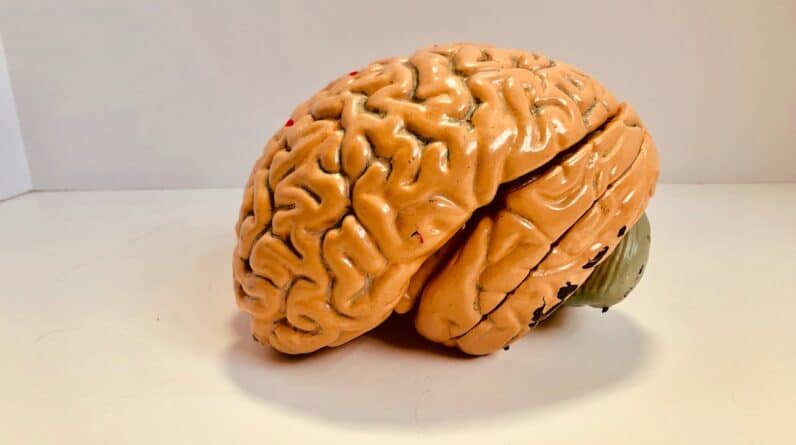
Memory enhancement training is a structured approach designed to improve your cognitive abilities, particularly your memory. As you navigate through life, you may find that your memory can sometimes falter, whether due to stress, age, or simply the overwhelming amount of information you encounter daily. This training aims to equip you with techniques and strategies that can help you retain information more effectively and recall it when needed.
By engaging in memory enhancement training, you can develop a deeper understanding of how your memory works and learn practical methods to boost its efficiency. At its core, memory enhancement training involves various exercises and techniques that stimulate your brain’s capacity to store and retrieve information. These methods can range from mnemonic devices and visualization techniques to more advanced cognitive exercises.
The goal is not just to memorize facts but to enhance your overall cognitive function, making it easier for you to learn new skills, remember important dates, or even improve your performance at work or school. As you embark on this journey, you’ll discover that memory enhancement is not merely about memorization; it’s about fostering a more agile and responsive mind.
Key Takeaways
- Memory enhancement training involves techniques and exercises to improve memory and cognitive function.
- Benefits of memory enhancement training include improved focus, better problem-solving skills, and enhanced overall brain health.
- The science behind memory enhancement training involves neuroplasticity, the brain’s ability to reorganize and form new neural connections.
- Types of memory enhancement training programs available in Chandler, AZ include cognitive training, brain games, and mnemonic devices.
- To choose the right memory enhancement training program, consider the specific goals, individual learning style, and the qualifications of the program instructors.
Benefits of Memory Enhancement Training
Engaging in memory enhancement training offers a multitude of benefits that can significantly impact various aspects of your life. One of the most immediate advantages is improved recall ability. You may find that names, dates, and important information become easier to remember, which can enhance your social interactions and professional relationships.
Imagine walking into a networking event and confidently recalling the names of people you’ve met before or remembering key details about a project without having to scramble through notes. This newfound confidence can lead to more meaningful connections and opportunities. Moreover, memory enhancement training can also contribute to better academic performance.
If you’re a student or someone pursuing further education, honing your memory skills can lead to improved grades and a deeper understanding of the material. You may notice that studying becomes less daunting as you develop techniques that allow you to absorb information more efficiently. Additionally, the cognitive exercises involved in memory training can help sharpen your focus and concentration, making it easier for you to engage with complex subjects and retain what you’ve learned.
The Science Behind Memory Enhancement Training
The science behind memory enhancement training is rooted in our understanding of how the brain processes and stores information. Neuroscience has revealed that memory is not a singular function but rather a complex interplay of various cognitive processes. When you engage in memory training, you’re essentially exercising different parts of your brain, promoting neuroplasticity—the brain’s ability to reorganize itself by forming new neural connections.
This means that with consistent practice, you can enhance your brain’s capacity to learn and remember. Research has shown that certain techniques used in memory enhancement training, such as spaced repetition and active recall, are particularly effective in solidifying memories. Spaced repetition involves revisiting information at increasing intervals, which helps reinforce what you’ve learned over time.
Active recall, on the other hand, encourages you to retrieve information from memory rather than passively reviewing it. By incorporating these scientifically-backed methods into your training regimen, you can optimize your learning process and improve your overall cognitive function.
Types of Memory Enhancement Training Programs Available in Chandler, AZ
In Chandler, AZ, a variety of memory enhancement training programs cater to different needs and preferences. You might find workshops focused on specific techniques like mnemonic devices or visualization strategies, which can be particularly beneficial if you’re looking for targeted skills. These workshops often provide hands-on activities that allow you to practice what you’ve learned in real-time, making the experience both engaging and effective.
Additionally, there are comprehensive courses that cover a broader range of memory enhancement techniques. These programs may include online modules, group sessions, or one-on-one coaching tailored to your individual goals. Whether you’re seeking to improve your memory for personal reasons or professional development, you’ll likely find a program that aligns with your objectives.
Many local organizations also offer community-based initiatives that promote cognitive health through memory training, providing an excellent opportunity for social interaction while enhancing your skills.
How to Choose the Right Memory Enhancement Training Program
Selecting the right memory enhancement training program requires careful consideration of your personal goals and learning style. Start by assessing what you hope to achieve through the training—whether it’s improving your academic performance, enhancing your professional skills, or simply boosting your everyday memory. Once you’ve identified your objectives, research various programs available in Chandler, AZ, and look for those that align with your needs.
It’s also essential to consider the format of the program. Do you prefer a structured classroom environment or a more flexible online course? Some individuals thrive in group settings where they can share experiences and learn from others, while others may benefit from personalized coaching that allows for tailored feedback.
Additionally, reading reviews or testimonials from past participants can provide valuable insights into the effectiveness of a program and help you make an informed decision.
Tips for Success in Memory Enhancement Training

To maximize the benefits of memory enhancement training, it’s crucial to approach it with an open mind and a commitment to practice. Consistency is key; regular engagement with the techniques you learn will reinforce your skills and lead to lasting improvements in your memory. Set aside dedicated time each week to practice exercises and review material covered in your training sessions.
This commitment will not only enhance your memory but also instill discipline in other areas of your life. Another important tip is to create a conducive learning environment. Minimize distractions during your practice sessions by finding a quiet space where you can focus entirely on the task at hand.
Additionally, consider incorporating elements that stimulate your senses—such as using colorful visuals or auditory cues—into your training routine. Engaging multiple senses can enhance retention and make the learning process more enjoyable.
Real-life Success Stories from Memory Enhancement Training Participants in Chandler, AZ
Hearing success stories from individuals who have undergone memory enhancement training can be incredibly motivating as you consider embarking on this journey yourself. Many participants in Chandler have reported significant improvements in their daily lives after completing these programs. For instance, one local business professional shared how he was able to remember client names and details more effectively after attending a workshop focused on mnemonic techniques.
This newfound ability not only boosted his confidence but also strengthened his relationships with clients. Another inspiring story comes from a college student who struggled with retaining information during exams. After participating in a comprehensive memory enhancement course, she discovered effective study techniques that transformed her approach to learning.
She reported feeling less anxious about exams and achieving higher grades as a result of her improved memory skills. These real-life examples illustrate the tangible benefits of memory enhancement training and serve as a reminder that with dedication and practice, significant improvements are possible.
The Role of Nutrition and Exercise in Memory Enhancement
While memory enhancement training focuses primarily on cognitive exercises, it’s essential not to overlook the role of nutrition and physical activity in supporting brain health. A balanced diet rich in antioxidants, healthy fats, vitamins, and minerals can significantly impact cognitive function. Foods such as fatty fish, berries, nuts, and leafy greens are known for their brain-boosting properties.
By incorporating these nutrient-dense foods into your diet, you can provide your brain with the fuel it needs to perform optimally. Exercise also plays a crucial role in enhancing memory and overall cognitive function. Regular physical activity increases blood flow to the brain, promoting neurogenesis—the creation of new neurons—and improving synaptic plasticity.
Engaging in aerobic exercises like walking, running, or swimming can help reduce stress levels and improve mood, both of which are beneficial for cognitive performance. By combining memory enhancement training with a healthy lifestyle that includes proper nutrition and exercise, you’ll create a holistic approach to boosting your cognitive abilities.
Integrating Memory Enhancement Techniques into Daily Life
To truly benefit from memory enhancement training, it’s essential to integrate the techniques you learn into your daily life. Start by applying mnemonic devices when trying to remember lists or important dates; for example, create acronyms or visual images that represent the information you’re trying to retain. You might also consider keeping a journal where you summarize key points from meetings or lectures—this practice not only reinforces what you’ve learned but also serves as a valuable reference for future use.
Additionally, make it a habit to engage in regular mental exercises outside of formal training sessions. Puzzles like crosswords or Sudoku can be excellent tools for keeping your mind sharp while providing an enjoyable challenge. You could also set aside time each day for mindfulness practices such as meditation or deep breathing exercises; these activities can enhance focus and clarity, making it easier for you to absorb new information.
Overcoming Challenges in Memory Enhancement Training
As with any skill development journey, challenges may arise during your memory enhancement training experience. You might encounter moments of frustration when certain techniques don’t seem to work as effectively as you’d hoped or when distractions hinder your focus during practice sessions. It’s important to recognize that these challenges are part of the learning process; persistence is key.
One effective strategy for overcoming obstacles is to maintain a growth mindset—viewing challenges as opportunities for growth rather than setbacks. If you find yourself struggling with a particular technique, consider seeking guidance from instructors or fellow participants who may offer valuable insights or alternative approaches. Additionally, be patient with yourself; improvement takes time and consistent effort.
The Future of Memory Enhancement Training in Chandler, AZ
As awareness of cognitive health continues to grow, the future of memory enhancement training in Chandler, AZ looks promising. With advancements in technology and neuroscience research paving the way for innovative approaches to cognitive training, new programs are likely to emerge that incorporate cutting-edge techniques tailored to individual needs. Virtual reality experiences or gamified learning platforms may soon become commonplace in memory enhancement training programs.
Moreover, community initiatives aimed at promoting cognitive health are expected to expand as more people recognize the importance of maintaining mental acuity throughout their lives. Local organizations may collaborate with educational institutions and healthcare providers to offer workshops and resources that make memory enhancement accessible to all age groups. As you consider participating in these programs now or in the future, you’ll be part of an evolving movement dedicated to fostering cognitive resilience within the community.
In conclusion, memory enhancement training offers valuable tools for improving cognitive function and overall quality of life. By understanding its principles and benefits while integrating effective techniques into daily routines, you can unlock the full potential of your memory and enjoy lasting improvements in various aspects of life.
FAQs
What is memory enhancement training?
Memory enhancement training is a type of cognitive training that aims to improve an individual’s memory function through various exercises and techniques. It can involve activities such as mnemonic strategies, attention training, and mental imagery exercises.
What are the benefits of memory enhancement training?
Memory enhancement training can help individuals improve their ability to remember and retain information, which can be beneficial in various aspects of life such as work, school, and daily activities. It can also help in delaying or preventing age-related memory decline.
Who can benefit from memory enhancement training?
Memory enhancement training can benefit individuals of all ages, from students looking to improve their academic performance to older adults looking to maintain their cognitive function as they age. It can also be beneficial for individuals experiencing memory difficulties due to conditions such as ADHD or traumatic brain injury.
What are some common memory enhancement techniques used in training?
Some common memory enhancement techniques used in training include spaced repetition, visualization, association, and the use of mnemonic devices. These techniques can help individuals improve their ability to encode, store, and retrieve information.
Where can I find memory enhancement training in Chandler, AZ?
There are various cognitive training centers, educational institutions, and private practitioners in Chandler, AZ that offer memory enhancement training programs. It is recommended to research and contact these providers to inquire about their specific programs and services.