
How Do Different Text Formats, Such As Pdfs, Ebooks, and Printed Books, Affect Reading Speed?
In today’s digital age, the way you consume written content has evolved dramatically. You are no longer limited to traditional printed materials; instead, you have a plethora of text formats at your disposal, including PDFs, eBooks, and printed books. Each format offers unique advantages and challenges that can significantly influence your reading experience.
Understanding these formats is essential for optimizing your reading habits and enhancing your comprehension and retention of information. As you navigate through various text formats, you may find that your reading speed varies depending on the medium. This variability can be attributed to several factors, including the design of the text, the technology used to present it, and even your personal preferences.
By exploring the nuances of each format, you can make informed choices about how to engage with written content, ultimately leading to a more fulfilling reading experience.
Key Takeaways
- Different text formats, such as PDFs, ebooks, and printed books, can impact reading speed and comprehension.
- Factors affecting reading speed include text layout, font size, and screen glare for digital formats, and paper quality and font type for printed books.
- PDFs can negatively impact reading speed due to fixed layout and limited customization options.
- Ebooks can have a positive impact on reading speed with adjustable font size and screen brightness options.
- Printed books can also positively impact reading speed due to the tactile experience and lack of digital distractions.
Factors Affecting Reading Speed
Complexity of the Material
The complexity of the material you are reading is a significant factor in determining your reading speed. Dense academic texts filled with jargon and intricate concepts will likely slow you down as you strive to grasp the content.
Familiarity with the Subject Matter
Your familiarity with the subject matter also plays a critical role. When you are well-versed in a topic, you can efficiently skim through the text, picking up key points without needing to pause for comprehension.
Environmental Factors
Additionally, your environment can significantly impact your reading speed. Distractions can hinder your focus, slowing down your reading pace.
The Impact of PDFs on Reading Speed
PDFs have become a popular format for sharing documents due to their versatility and ease of use. However, when it comes to reading speed, PDFs can present both advantages and disadvantages. On one hand, the fixed layout of a PDF ensures that the document appears exactly as intended by the author, which can enhance readability for some users.
The ability to zoom in on text and images allows for a more tailored reading experience, particularly for those who may struggle with smaller fonts. On the other hand, navigating through a PDF can be cumbersome, especially if the document is lengthy or poorly organized. You may find yourself scrolling endlessly or searching for specific sections, which can disrupt your reading flow and ultimately slow you down.
Additionally, if you are using a device with a smaller screen, such as a smartphone or tablet, the experience may be less than ideal. The combination of these factors can lead to a mixed impact on your overall reading speed when engaging with PDFs.
The Impact of Ebooks on Reading Speed
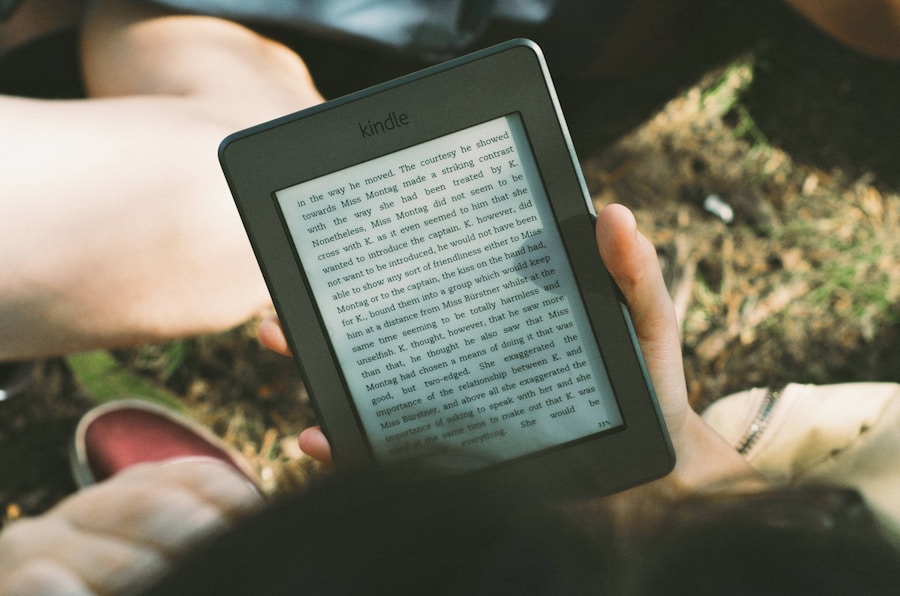
Ebooks have revolutionized the way you access literature and information. With features like adjustable font sizes, background colors, and built-in dictionaries, eBooks offer a customizable reading experience that can enhance your speed and comprehension. The ability to highlight text and make notes directly within the document allows for easier engagement with the material, making it simpler for you to revisit important points without losing your place.
However, eBooks also come with their own set of challenges. The digital nature of eBooks means that you are often reading on screens, which can lead to eye strain and fatigue over time. This discomfort may cause you to take more frequent breaks or slow down your reading pace as you try to alleviate any strain.
Furthermore, the temptation of distractions—such as notifications from other apps or websites—can pull your attention away from the text, further impacting your reading speed.
The Impact of Printed Books on Reading Speed
Printed books have long been cherished for their tactile experience and aesthetic appeal. Many readers find that holding a physical book in their hands enhances their connection to the material, allowing for deeper engagement and comprehension. The absence of digital distractions means that you can immerse yourself fully in the text without interruptions, often leading to faster reading speeds as you become absorbed in the narrative.
However, printed books are not without their drawbacks. The physical limitations of page turning can slow down your progress compared to scrolling through digital formats. Additionally, if you are reading in low-light conditions or if the print is small, you may find yourself straining to read comfortably.
Despite these challenges, many readers still prefer printed books for their sensory experience and the ability to annotate in margins or highlight passages without relying on technology.
Comparing Reading Speed Across Different Text Formats

Printed Books: Slower but Deeper Understanding
In contrast, while printed books may encourage slower reading speeds due to their physical nature, they often promote better retention and understanding of complex ideas. The tactile experience of flipping pages and physically marking important sections can create a more profound connection with the text.
Choosing the Right Format for You
Ultimately, your choice of format will depend on your personal preferences and reading goals; whether you prioritize speed or comprehension will guide your decision-making process.
Tips for Improving Reading Speed in Different Text Formats
To enhance your reading speed across various formats, consider implementing specific strategies tailored to each medium. For PDFs, familiarize yourself with navigation tools such as bookmarks and search functions to streamline your experience. Adjusting the zoom level can also help improve readability without straining your eyes.
If possible, use a larger screen for better visibility and comfort. When it comes to eBooks, take advantage of customizable features like font size and background color to create an optimal reading environment. Setting aside dedicated time for uninterrupted reading can help minimize distractions from notifications or other apps.
Additionally, consider using built-in tools for highlighting and note-taking to reinforce comprehension as you read. For printed books, establish a comfortable reading space with adequate lighting to reduce eye strain. Try setting specific goals for each reading session—such as completing a chapter or a certain number of pages—to maintain focus and motivation.
Engaging with the material through annotations or discussions with others can also deepen your understanding and enhance retention.
Conclusion and Implications for Reading Habits
In conclusion, understanding how different text formats impact your reading speed is crucial for developing effective reading habits. Each format—whether it be PDFs, eBooks, or printed books—offers unique advantages that can either enhance or hinder your ability to absorb information quickly and efficiently. By recognizing these differences and adapting your strategies accordingly, you can optimize your reading experience based on your preferences and goals.
As you continue to explore various text formats in your reading journey, consider how each medium aligns with your learning style and lifestyle. Embrace the strengths of each format while being mindful of their limitations. Ultimately, cultivating an awareness of how these factors influence your reading habits will empower you to make informed choices that enrich your engagement with literature and knowledge in all its forms.
FAQs
What is the difference in reading speed between PDFs, ebooks, and printed books?
Studies have shown that reading speed can vary between different text formats. Generally, reading speed is slower for digital formats such as PDFs and ebooks compared to printed books.
Why do people tend to read slower on digital formats?
The slower reading speed on digital formats is often attributed to factors such as screen glare, eye strain, and distractions from notifications or other digital content.
How does the format of the text affect comprehension and retention?
Research suggests that comprehension and retention may be lower for digital formats compared to printed books. This is thought to be due to the tactile experience and spatial memory associated with physical books.
Are there any advantages to reading digital formats in terms of reading speed?
Some individuals may find that they can read faster on digital formats due to features such as adjustable font size and the ability to search for specific words or phrases.
What are some strategies for improving reading speed on digital formats?
To improve reading speed on digital formats, individuals can try adjusting the font size, minimizing distractions, and taking regular breaks to reduce eye strain. Additionally, using devices with e-ink technology may help reduce screen glare and improve reading speed.


